
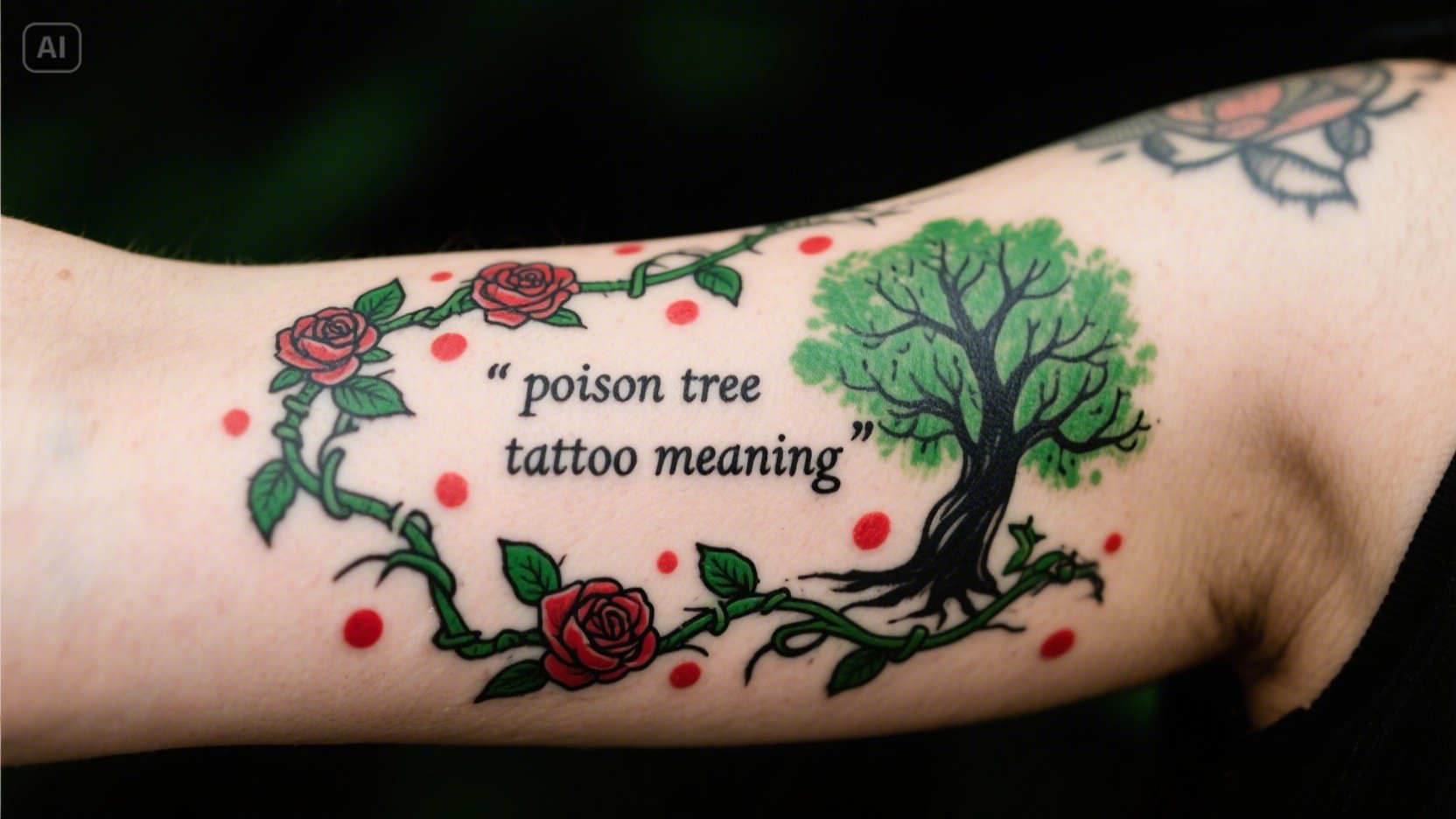
Tattoos are much more than just body art; they are powerful storytelling devices that reflect personal experiences, beliefs, and emotions. Among the many meaningful tattoo designs, the poison tree tattoo stands out for its layered symbolism and intriguing backstory. If you’re curious about the poison tree tattoo meaning, this article will explore its rich interpretations and why it has become a popular choice for those seeking to express complex emotions and ideas through ink.
Origins and Literary Significance
The poison tree tattoo draws inspiration primarily from the famous poem “A Poison Tree” by William Blake, an 18th-century English poet and artist. In the poem, Blake explores themes of anger, resentment, and the destructive consequences of suppressing negative emotions. The “poison tree” metaphor represents how unexpressed wrath can grow and fester into something harmful, ultimately leading to destructive outcomes.
The poem goes:
“I was angry with my friend:
I told my wrath, my wrath did end.
I was angry with my foe:
I told it not, my wrath did grow.
And I watered it in fears,
Night and morning with my tears;
And I sunned it with smiles,
And with soft deceitful wiles.
And it grew both day and night,
Till it bore an apple bright;
And my foe beheld it shine,
And he knew that it was mine,
And into my garden stole
When the night had veiled the pole;
In the morning glad I see
My foe outstretched beneath the tree.”
Symbolism Behind the Poison Tree Tattoo
The poison tree tattoo meaning is rich and multifaceted. At its core, the design often symbolizes the dangers of hidden anger, bitterness, or toxic feelings that can silently grow beneath the surface. This symbolism acts as a cautionary reminder to address negative emotions openly rather than allowing them to fester and cause harm—either to oneself or others.
1. Hidden Emotions and Inner Conflict
One of the primary meanings of the poison tree tattoo centers on repressed feelings. Just as the tree in Blake’s poem appears beautiful on the outside but harbors poison within, the tattoo can represent a person’s struggle with internal conflicts or emotions that they conceal. It might symbolize the wearer’s recognition of these emotions and a commitment to confront them honestly.
2. Personal Growth and Transformation
Alternatively, the poison tree tattoo can also represent personal growth and transformation. Much like a tree undergoes seasons of change, people evolve through trials and challenges. The tattoo can serve as a metaphor for how painful or toxic experiences can lead to learning, resilience, and ultimately, growth. In this sense, the poison tree is not just a symbol of harm but also of overcoming adversity.
3. Warning and Protection
For some, the poison tree tattoo acts as a protective emblem—signifying boundaries and warning others about the wearer’s limits. It can be a way to communicate strength and caution, symbolizing that beneath an inviting appearance lies a protective barrier that should not be crossed.
Imagery and Design Variations
The poison tree tattoo does not follow a single design style. The imagery can vary greatly depending on individual preference and the level of symbolism they want to convey. Elsewhere on the site: Are Hyenas Dogs or Cats.
- Tree Symbolism: Traditional poison tree tattoos often feature a tree with striking details such as twisting branches, dark leaves, or thorns to highlight the sense of danger and complexity related to hidden emotions.
- Fruits or Apples: In many designs, an apple or fruit on the poisonous tree plays an important role, symbolizing temptation, the bittersweet nature of suppressed feelings, or even the idea of a deadly outcome if emotions remain unchecked.
- Color Palette: Some tattoos use dark, moody colors like black, gray, deep reds, or purples to emphasize the poisonous nature, while others may opt for a more naturalistic or minimalist approach.
- Incorporating Other Elements: Elements like snakes, skulls, or flowers can be joined with the tree to add layers of meaning, such as death, danger, or beauty intertwined with toxicity.
Why Choose a Poison Tree Tattoo?
Many people select tattoos that resonate with their personal journeys and values. The poison tree tattoo offers a nuanced message that can be deeply relatable for those who have experienced emotional struggles or who value the importance of self-awareness and honesty in navigating difficult feelings.
Moreover, the tattoo’s connections to classic literature and rich symbolism make it a fascinating conversation piece. Holding a personal yet universally understood message, it appeals to individuals who enjoy meaningful artistic expressions rooted in poetic history.
Things to Consider Before Getting a Poison Tree Tattoo
Before committing to this symbolic design, reflect on the meaning you want the tattoo to carry. Given its association with darker or more complex emotions, consider how you relate to the symbolism and how you may feel about it in the long term.
Consult with a skilled tattoo artist to customize the design so it suits your vision. Whether you want a minimalist design or a highly detailed one with color and elements, professional input can help bring your poison tree tattoo to life in a way that fully conveys your intended message.
Conclusion
The poison tree tattoo meaning goes far beyond merely depicting a botanical image. Rooted in literary tradition and emotional symbolism, it encapsulates themes of hidden anger, personal growth, caution, and transformation. Whether chosen as a reminder to face inner conflicts honestly or as an emblem of resilience, a poison tree tattoo is a powerful and evocative piece of body art that can carry significant personal meaning.
By understanding its layers of symbolism and history, you can appreciate why this tattoo continues to captivate wearers who seek to express their complex emotional journeys through art on skin.
Please visit our”Featured” Category.